

Aluminum Alloy Cylinder Tube
Pneumatic cylinder tube is a hollow metal cylinder that is used to provide motion in various pneumatic systems. It is typically made of stainless steel, aluminum, or other materials that are resistant to corrosion and wear. The tube is designed to hold and direct compressed air or other gases, which is used to generate movement in the pneumatic systems. Pneumatic cylinder tubes are commonly used in industries such as automotive, mining, construction, and manufacturing to power machinery, lift heavy objects, and perform other tasks.
Why Choose us?
High-Quality Materials
We use high-grade materials such as aluminium alloy, SUS304 stainless steel, and other durable materials that provide maximum durability and resistance to corrosion.
Wide Range of Options
We offer a wide range of cylinder tube and piston rod options, including tie rods, hollow piston rods, and more. This ensures that you find the perfect fit for your specific needs.
Customization
We can also customize our products to your specific requirements, including length, diameter, and shape. This ensures that you get exactly what you need for your application.
Competitive Pricing
We offer affordable prices for our products without compromising on quality.
Fast Delivery
We have a streamlined production process and a dedicated team of professionals that ensure fast delivery of our products to customers.
Excellent Customer Service
Our team of highly trained and experienced professionals is always ready to assist you with any questions or concerns you may have about our products.
-
 SUS316L Stainless Steel Pneumatic Cylinder Tube Inner Dia...SUS316L Stainless steel pneumatic cylinder tube inner dia10-63 with tight dimensional tolerances and excellent internal surface roughness ensure the high quality of your cylinders, and give you aAdd to Inquiry
 -
 SC Round Aluminium Pneumatic Cylinder BarrelGuide the piston in the cylinder for linear reciprocating motion cylindrical metal parts. Air in the engine cylinder expands to convert thermal energy into mechanical energy; The gas in theAdd to Inquiry
 -
 DNC Anodized Aluminium Pneumatic Cylinder Tube6063 aluminum alloy is a common and widely used aluminum profile material, has good formability and corrosion resistance, and is easy to cut and weld. Its surface can be anodized to increase itsAdd to Inquiry
 -
 Oval Aluminium Pneumatic Cylinder Tube6063 aluminum alloy is a common and widely used aluminum profile material, has good formability and corrosion resistance, and is easy to cut and weld. Its surface can be anodized to increase itsAdd to Inquiry
 -
 High-Precision Hard Anodized Aluminum Pneumatic Cylinder ...Guide the piston in the cylinder for linear reciprocating motion cylindrical metal parts. Air in the engine cylinder expands to convert thermal energy into mechanical energy; The gas in theAdd to Inquiry
 -
 Hard Anodized Parker Aluminium Cylinder TubeThe alloy aluminum tube profile is mainly produced by the extrusion method, the most commonly used extrusion processes are forward extrusion and reverse extrusion.Add to Inquiry
 -
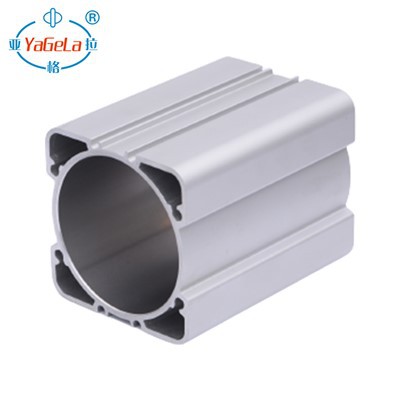 Square Cylinder Tube Hard Anodized6063 aluminum alloy is a common and widely used aluminum profile material, has good formability and corrosion resistance, and is easy to cut and weld. Its surface can be anodized to increase itsAdd to Inquiry
 -
 ADN Aluminium Pneumatic Cylinder TubeThe alloy aluminum tube profile is mainly produced by the extrusion method, the most commonly used extrusion processes are forward extrusion and reverse extrusion.Add to Inquiry
 -
 ADVU Aluminium Pneumatic Cylinder TubeAluminum tube is a kind of nonferrous metal tube, which refers to the metal tubular material extruded from pure aluminum or aluminum alloy to be hollow along its longitudinal full length.Add to Inquiry
 -
 SDA-B Aluminium Pneumatic Cylinder TubeGuide the piston in the cylinder for linear reciprocating motion cylindrical metal parts. Air in the engine cylinder expands to convert thermal energy into mechanical energy; The gas in theAdd to Inquiry
 -
 SDA Aluminium Pneumatic Cylinder Tube6063 aluminum alloy is a common and widely used aluminum profile material, has good formability and corrosion resistance, and is easy to cut and weld. Its surface can be anodized to increase itsAdd to Inquiry
 -
 Air Tac Double Holes Aluminium Pneumatic Cylinder TubeThe alloy aluminum tube profile is mainly produced by the extrusion method, the most commonly used extrusion processes are forward extrusion and reverse extrusion. Extruded alloy aluminum pipes andAdd to Inquiry


Benefits of Pneumatic Cylinder Tube
Pneumatic cylinder tubes are cost-effective, making them an affordable option for businesses of all sizes. They are made from lightweight materials such as aluminum, the use of aluminum makes the cylinder tubes resistant to corrosion, which ensures they have a long lifespan, reducing the need for frequent replacements and maintenance.
Pneumatic cylinder tubes are also reliable, meaning they can operate consistently without the risk of failure. This is due to the use of high-quality materials during the manufacturing process and the strict quality control measures in place during production.
The performance of pneumatic cylinder tubes can be enhanced by integrating them with precision components to create a complete pneumatic system. This can provide even greater precision, control, and reliability, making them a valuable asset for businesses to consider.
They can be used in a wide range of applications, from manufacturing to construction and many other industries, such as manufacturing equipment, robotics, medical equipment, and automotive systems. Pneumatic cylinder tubes are used to create linear motion in pneumatic systems.
They work by converting air pressure into mechanical force, which is then used to move a piston or other moving part. Pneumatic cylinder tubes can also be used for gripping, clamping, lifting, and positioning applications.
They come in various sizes, materials, and designs, including aluminum, steel, stainless steel, and brass. Pneumatic cylinder tubes are highly reliable, require minimal maintenance, and offer high performance in challenging environments.
Pneumatic cylinder tubes are indeed easy to maintain as they do not have any complex parts or mechanisms that need special attention, you can easily maintain your pneumatic cylinder tube and prolong its lifespan, ensuring it operates reliably and efficiently.
They are designed to be durable and can withstand the rigors of constant use. They are well-suited for applications ranging from factory automation and robotics to transportation and construction.
Pneumatic cylinder tubes are highly durable due to the materials they are made from, such as chrome-plated steel or stainless steel. These materials are resistant to corrosion and wear, which ensures that the cylinder tubes have a long operating life.
Pneumatic cylinder tubes are designed to withstand high pressure and repetitive movements, which means they can endure heavy use in industrial applications without requiring frequent maintenance or replacement.
The durability of pneumatic cylinder tubes is further enhanced by the quality of their construction. Many cylinder tubes are precision machined to tight tolerances to ensure that they operate smoothly and efficiently, even in harsh conditions.
One key feature of pneumatic cylinder tubes is their low friction design. This allows the cylinders to move smoothly and efficiently, with minimal wear and tear. The smooth surface of the tube ensures that there is low friction between the cylinder and the piston, resulting in smoother operation and less wear and tear.
The low friction of pneumatic cylinder tubes is achieved by several design elements. First, the inner surface of the tube is polished, which reduces the surface roughness and creates a smoother surface. This reduces the resistance that the cylinder experiences as it moves along the inner surface of the tube.
Another way that pneumatic cylinder tubes reduce friction is through the use of high-quality seals. These seals are designed to minimize friction and prevent leaks, which can cause cylinders to slow down or fail over time.
Finally, pneumatic cylinder tubes may also be made from materials that have low coefficients of friction, such as stainless steel, aluminum, or plastic. These materials offer excellent resistance to wear and can reduce the amount of friction that cylinders experience as they move along the inner surface of the tube.
Pneumatic cylinder tubes are designed to withstand high pressure, making them suitable for use in industrial applications. They are often used in hydraulic systems that require high-performance, reliable, and precise motion control.
These tubes are made from materials such as stainless steel, aluminum, and carbon fiber, which have high strength-to-weight ratios and excellent resistance to corrosion and wear.
The wall thickness of these tubes is carefully selected to provide the required strength and durability while balancing weight and cost considerations. The inner surface of the tube is often honed to provide a smooth, low-friction surface, which helps to reduce wear on the cylinder seals and increase the lifespan of the cylinder.
They are made from materials that are corrosion resistant, making them ideal for use in harsh environments.Various types of corrosion-resistant materials are used for manufacturing pneumatic cylinder tubes, depending on the specific application requirements. The choice of material for making pneumatic cylinder tubes depends on the desired level of corrosion resistance and other performance requirements.
Nonetheless, tubes made from materials that are corrosion-resistant are suitable for use in harsh environmental conditions, thereby ensuring optimal performance and longevity of pneumatic systems.
Pneumatic cylinder tubes are lightweight, making them easy to handle and install. They are also durable and resistant to corrosion, making them suitable for use in various industrial applications.
Pneumatic cylinder tubes are typically made from materials such as aluminum, stainless steel, and brass, which provide excellent strength and durability. These tubes are designed to contain and guide the movement of a piston or plunger, which compresses and releases air or gas to generate motion.
Pneumatic cylinder tubes are commonly used in manufacturing and industrial settings, where precise and reliable operation is required. Their lightweight design makes them easy to transport and install, while their durable construction ensures long-lasting performance even in harsh environments.

Pneumatic cylinders are used for a variety of purposes, such as in automation and robotics, construction equipment, automotive parts, and more. They work by converting the energy of compressed air into linear or rotary motion, and they are made up of different components including the cylinder tube.
The cylinder tube is the main body of the pneumatic cylinder and typically made of metal like aluminum or steel, and sometimes composite materials. It is designed to withstand high pressure and provide a secure housing for the other cylinder components.
The tube is usually honed to provide a smooth surface for the piston to move inside it, which reduces friction and wear and tear. The bore size of the tube determines the amount of force the cylinder is capable of exerting.
Other features of pneumatic cylinder tubes include port connections for the air supply, mounting options, and seals to prevent air leakage.
Overall, pneumatic cylinder tubes are an essential component of pneumatic cylinders, and their sturdy construction makes them ideal for use in a wide range of industrial applications.
Material for Pneumatic Cylinder Tubes
The choice of material for making pneumatic cylinder tubes depends on the desired level of corrosion resistance and other performance requirements. They are made from materials that are corrosion resistant, making them ideal for use in harsh environments.
Various types of corrosion-resistant materials are used for manufacturing pneumatic cylinder tubes, depending on the specific application requirements. Some commonly used materials for corrosion-resistant tubing include
This is the most common material used for making pneumatic cylinder tubes that require high corrosion resistance. Stainless steel is highly durable, contains chromium and nickel, and is resistant to rusting and staining in environmental conditions such as saline, wet, and acidic.
Aluminium
This material is ideal for making lightweight and anti-corrosive pneumatic cylinder tubes. Aluminum is highly resistant to oxidation, and its high strength-to-weight ratio makes it appealing for applications that require lightweight and stronger materials.
Copper-based alloys
These are materials that resist corrosion by environmental factors such as humidity, dust and moisture. Copper-based alloys can effectively resist the formation of rust and other forms of corrosion, making them suitable for applications in marine environments.
Plastics
Certain types of plastics, such as Polyvinyl chloride (PVC) and Polypropylene (PP), can be used to make pneumatic cylinder tubes that are corrosion-resistant. Plastic tubes can effectively withstand environmental conditions such as wet and humid environments.
Grade Material
|
Steel Grade |
Chemical Composition (in %)** |
|
|
ISMT HM1 |
0.18 to 0.21 |
1.25 to 1.35 |
|
ISMT C5 |
0.22 to 0.28 |
0.70 to 0.90 |
|
ISMT C8 |
0.37 to 0.42 |
0.60 to 0.90 |
|
ISMT HM3 |
0.16 to 0.22 |
1.40 to 1.80 |
Square Cylinder Tube
This type of cylinder tube has a square cross-section and is used in applications where space is limited.
Round Cylinder Tube
This type of pneumatic cylinder tube is cylindrical in shape and has a uniform cross-section throughout the length of the tube.
Rectangular Cylinder Tube
This type of pneumatic cylinder tube has a rectangular cross-section and is commonly used in applications where high forces are required.
Profile Cylinder Tube
This type of cylinder tube has a unique profile, which may be required for certain applications. These tubes are used in applications that require precise motion control.
Tie-rod cylinder tube
This type of cylinder tube has a tie-rod design that provides stability and support, which is important for high-force applications.
Threaded cylinder tube
This type of cylinder tube has a threaded end that allows for easy installation and removal. It is commonly used in applications that require frequent disassembly and reassembly.
Custom cylinder tube
Custom cylinder tubes are designed to meet specific application needs. These tubes can be manufactured to any shape and size, and can be made from a range of materials including steel, aluminum, and plastic.
Steps to Maintain Cylinder Tubes
Pneumatic cylinder tubes are indeed easy to maintain as they do not have any complex parts or mechanisms that need special attention. These cylinders are mainly composed of a cylinder body or tube, a piston, and connecting holes or ports.Pneumatic cylinder tubes require minimal maintenance, making them easy to maintain and repair if needed.By following these simple steps, you can easily maintain your pneumatic cylinder tube and prolong its lifespan, ensuring it operates reliably and efficiently.
Maintaining the pneumatic cylinder tube involves the following steps:

Lubrication
It is essential to lubricate the cylinder regularly to prevent the piston from seizing or sticking inside.
Cleaning
Ensure that the cylinder tube is kept clean by periodically removing any debris or dirt that may accumulate inside it.


Inspection
Regularly examine the cylinder tube for any signs of damage, wear, or leakage that may require repair or replacement.
Replacements
If any component of the cylinder tube is found to be defective or worn out, it should be replaced immediately to prevent further damage or malfunction.

Applications of Pneumatic Cylinder Tube
The applications of pneumatic cylinder tubes are diverse and wide-ranging, making them a crucial component in various industries and systems that require mechanical force generation or transmission. Pneumatic cylinder tubes are used in a variety of applications where mechanical force needs to be generated, controlled, or transmitted using compressed air. High-strength pneumatic cylinder tubes play an important role in many industries and applications, providing a reliable and efficient way to transfer force and motion through hydraulic systems. Some common applications of pneumatic cylinder tubes:
Industrial automation: Pneumatic cylinders are widely used in factory automation systems to perform various tasks, such as lifting, pushing, pulling, and gripping objects. They are used in assembly lines, manufacturing plants, and other industrial settings.
Robotics: Pneumatic cylinders are used in robotic arms and other automated systems to manipulate materials or perform tasks that require precise movement and force.
Material handling: Pneumatic cylinders are used in lifting and moving heavy materials, such as in conveyor systems or packaging machines.
Construction machinery: Pneumatic cylinders are used in heavy machinery, such as excavators and bulldozers, to control the movement of hydraulic pistons and other mechanical components.
Transportation: Pneumatic cylinders are used in the braking systems of trains, buses, and other vehicles to activate the brakes and control the speed of the vehicle.
Medical devices: Pneumatic cylinders are used in medical equipment, such as hospital beds and surgical tables, to adjust the position of the patient.
Agriculture: Pneumatic cylinders are used in farming equipment, such as harvesters and seeders, to control the movement of mechanical components.
When Choosing Pneumatic Cylinder Tube, You Should Consider
The type of application also affects the choice of cylinder tube. High speed and high precision applications require a tube with a tight tolerance and precise dimensions. Cylinder tubes used in heavy-duty applications require a thick wall and high strength.
Cost
Cylinder tubes come at different prices depending on the material, size, and quality. You need to choose a tube that fits within your budget while meeting your requirements.
Surface Finish
The surface finish of the cylinder tube affects its durability and performance. You should choose a tube with a smooth finish to reduce friction and improve efficiency.
Corrosion Resistance
Pneumatic cylinder tubes used in harsh environments must resist corrosion. Stainless steel and aluminum are corrosion-resistant and are the most preferred materials for such applications.
Pressure Rating
Pneumatic cylinders operate at different pressures. You need to select a tube that can withstand the maximum pressure of your system.
Size
The size of the cylinder tube depends on the required stroke length and bore diameter. You must choose a tube that is compatible with your cylinder's specifications.
Material
The most common materials used for pneumatic cylinder tubes are aluminum, stainless steel, and brass. Each material has its own advantages and disadvantages, so you need to choose the one that best fits your application.
Founded in 2001, the company has always adhered to the development tenet of science and technology as the guide, recruiting and introducing professional and technical talents, absorbing domestic and foreign technology, and constantly forging ahead. The factory specializes in producing Agra brand cylinder tubes and piston rods (precision shafts). More than 60% of the products are exported to Southeast Asia, the Middle East and Europe, and have won the trust of users at home and abroad.


Certificate
Wuxi Yagra non-ferrous metal pipe factory credit certificate


Cabus


Yagra


Ultimate Faq Guide to Pneumatic Cylinder Tube
Q: What material is used for hydraulic cylinder tube?
Q: What material is used to make cylinders?
Q: What are the advantages of pneumatic cylinders?
Q: What is the purpose of a pneumatic cylinder?
Q: How efficient are pneumatic cylinders?
Q: Why are pneumatic cylinders faster than hydraulic cylinders?
Q: What are the 2 types of pneumatic cylinder?
Q: What is the difference between air cylinder and pneumatic cylinder?
Q: How much force can a pneumatic cylinder produce?
Q: How much force can a pneumatic cylinder produce?
Q: How do I choose a pneumatic cylinder size?
Q: What are the applications of pneumatic cylinder tubes?
Q: What materials are used to make pneumatic cylinder tubes?
Q: What are the advantages of using aluminum pneumatic cylinder tubes?
Q: What are the advantages of using stainless steel pneumatic cylinder tubes?
Q: What are the advantages of using carbon steel pneumatic cylinder tubes?
Q: What is the difference between honed and un-honed pneumatic cylinder tubes?
Q: What is the impact of tube thickness on pneumatic cylinders?
Q: What is a pneumatic cylinder tube?
Q: What are the types of pneumatic cylinders?
Q: What is the impact of cylinder bore size on pneumatic cylinders?
We're professional pneumatic cylinder tube manufacturers and suppliers in China, specialized in providing high quality customized service. We warmly welcome you to buy or wholesale cheap pneumatic cylinder tube made in China here from our factory. For price consultation, contact us.
SMC Honing Treble Holes Aluminium Pneumatic Cylinder Tube, SUS430 Outer Tie Rod with Chrome Plated, SUS304 Outer Tie Rod with Chrome Plated