

Hydraulic Steel Tube
Steel tube is a hollow metallic cylinder made of steel. It has a variety of applications and is used in construction, engineering, and a range of industrial activities. Steel tubes are available in a wide range of sizes and thicknesses, and can be manufactured using a variety of processes, including hot or cold rolling, extrusion, or welding. They are commonly used in the production of pipes, scaffolding, and structural components, and are valued for their strength, durability, and versatility.
Why Choose us?
High-Quality Materials
We use high-grade materials such as aluminium alloy, SUS304 stainless steel, and other durable materials that provide maximum durability and resistance to corrosion.
Wide Range of Options
We offer a wide range of cylinder tube and piston rod options, including tie rods, hollow piston rods, and more. This ensures that you find the perfect fit for your specific needs.
Customization
We can also customize our products to your specific requirements, including length, diameter, and shape. This ensures that you get exactly what you need for your application.
Competitive Pricing
We offer affordable prices for our products without compromising on quality.
Fast Delivery
We have a streamlined production process and a dedicated team of professionals that ensure fast delivery of our products to customers.
Excellent Customer Service
Our team of highly trained and experienced professionals is always ready to assist you with any questions or concerns you may have about our products.
-
 Welded Stainless Steel Pipe TubePlace of Origin: Wuxi, China. Alloy Or Not : Non-Alloy. Grade: Carbon steel. Delivery Time : 8-14 days. Application : Structure PipeAdd to Inquiry
 -
 Mild Steel Round BarSection Shape : Round. Surface Treatment : galvanized. Tolerance : ±5%. Oiled or Non-oiled: Non-oiled. Place of Origin : Wuxi, China. Alloy Or Not : Non-AlloyAdd to Inquiry
 -
 Galvanized Welded Steel TubeThe production process of galvanized welded steel pipe is a coating welding process, that is, hot-dip galvanizing and hot-rolled steel sheets, and then galvanized steel coils are used to cutAdd to Inquiry
 -
 Electric Resistance Welded Steel TubeOiled or Non-oiled : Non-oiled. Place of Origin :Wuxi, China. Alloy Or Not : Non-Alloy. Grade : Carbon steel. Delivery Time : 8-14 days. Application : Structure PipeAdd to Inquiry
 -
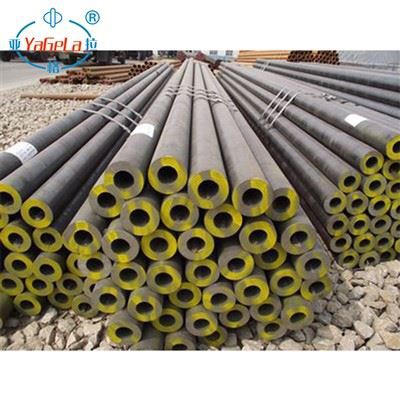 Stainless Steel Welded Seamless Pipe TubeOiled or Non-oiled: Non-oiled. Place of Origin: Wuxi, China. Alloy Or Not :Non-Alloy. Grade :Carbon steel. Delivery Time: 8-14 days. Application :Structure PipeAdd to Inquiry
 -
 ST52 Honed Seamless Steel TubeThe scope of use of structural seamless steel pipes includes general building structures and mechanical structures, such as steel structure workshops, automobile chassis, plastic machinery, etc. AtAdd to Inquiry
 -
 CK45 Seamless Steel TubeThe scope of use of structural seamless steel pipes includes general building structures and mechanical structures, such as steel structure workshops, automobile chassis, plastic machinery, etc. AtAdd to Inquiry
 -
 Seamless Stainless Steel TubesThe scope of use of structural seamless steel pipes includes general building structures and mechanical structures, such as steel structure workshops, automobile chassis, plastic machinery, etc. AtAdd to Inquiry
 -
 Seamless Carbon Steel Black PipeThe scope of use of structural seamless steel pipes includes general building structures and mechanical structures, such as steel structure workshops, automobile chassis, plastic machinery, etc. AtAdd to Inquiry
 -
 High Precision Seamless Steel TubeHigh Precision Seamless Steel Tube - Made of high quality carbon steel - Non-oxidized cold rolled heat treatment (NBK state) - Non-destructive testing.Rinse in a wall honing and high pressureAdd to Inquiry
 -
 Galvanized Seamless Steel TubeThe scope of use of structural seamless steel pipes includes general building structures and mechanical structures, such as steel structure workshops, automobile chassis, plastic machinery, etc. AtAdd to Inquiry
 -
 Seamless Carbon Steel PipesSeamless Carbon Steel Pipes - Made of high quality carbon steel - Non-oxidized cold rolled heat treatment (NBK state) - Non-destructive testing.Rinse in a wall honing and high pressure interior.Add to Inquiry


Benefits of Steel Tube
Durability and strength
Steel tube is known for its durability and strength. Steel tubes have greater strength, it can withstand harsh weather conditions, impacts and forces, making it a perfect material for construction purposes.
Versatility
Steel tubes come in a wide variety of sizes and shapes, which makes them perfect for a diverse range of applications. Steel pipes have a constant thickness, diameter and cross-sectional shape throughout the length, they are available in many sizes, used in transportation, construction, manufacturing, and many other industries.
Cost-effective
Steel tubes are a cheaper alternative to other materials, such as aluminum or copper. They are also easy to fabricate and install, which reduces the overall cost of construction.
Corrosion-resistant
Steel tubes can be coated with a protective layer of zinc to prevent rust and corrosion. This allows them to be used in a wide range of applications, including outdoor structures, water supply systems, and even in the oil and gas industry.
Environmentally friendly
Steel is a 100% recyclable material, which makes it an environmentally friendly choice. They are hallowed, hence they are light in weight. This also means that steel tubes can be used and re-used multiple times, reducing waste and conserving resources.
Steel Tube Structures
Steel tube structures are the best alternative to conventional structures for their practicality and good performance. Obviously, due to the cross-sectional profile of the steel tube, the weight may be reduced by many structural members.
Steel tube structure advantages:
- For steel tube structures, a higher strength to weight ratio can save up to 30% in steel.
- Due to the high torsional stiffness and compressive strength of the steel tube, the tube section is more effective than conventional steel sections.
- For dynamic loads, the vibration frequency of the tube is higher than any other rolling section.
- Easy to maintain.
- No angularity.
- Easy to manufacture and install.

Types of Steel Tube
Steel tube is manufactured using a few different processes. These processes differ based primarily on the type of steel tube and its intended uses. For many types of steel tubes, the manufacturing process begins by melting iron ore and coke (a hard, porous, gray fuel that has a high carbon content). After the melting stage, the ore and coke are blasted using oxygen. This removes carbon. The product of the aforementioned processes is poured into molds, creating raw steel ingots. These ingots are rolled into blooms that become either the slabs used to create welded tubes or the billets used to create seamless tubes. The production method of steel tubes differs based on their type. Below you’ll find information about the unique manufacturing methods of popular types.
During the manufacturing process for seamless steel tubes, a billet is heated and then molded into the shape of a cylinder. The cylinder, also called a round, is heated further in a furnace and then rolled. During the heating and rolling, a hole forms in the center of the cylinder, and a bullet-shaped piercer is pushed through the center. After this, the steel is rolled and stretched into the desired dimensions and lengths over the bullet-shaped piercer.
A large diameter seamless steel tube goes through a mandrel mill process. After the piercer is pushed through, the shell of the tube is rolled through a mandrel mill. This mandrel mill has mandrel bars inside of it. The end result of the mandrel mill process is a tube with more controlled wall thickness and outside diameter.
Steel slabs are heated and hot rolled into skelp, coiled and elongated steel ribbon, to create a welded steel tube. Then, skelp is cut into a flat sheet of a pre-determined length. A rolling machine processes the flat sheet, forming it into a cylinder shape. This is the basic process for basic welded steel tubes. The manufacturing process for welded steel tubes differs slightly based on the type of welded steel tube. There are three common types of welded steel tube with different manufacturing processes: Electric-resistance welded tube, longitudinal welded tube, and spiral welded tube.
This type of welded tube is manufactured using a process of cold-forming a steel sheet into a cylinder shape. Electrical current is passed through the edges of the sheet so that it reaches the necessary temperature for its edges to join and bond. The seam on erw tube is almost undetectable, and this type of tube is quite strong.
This type of welded tube is created by cold-forming a heavy carbon steel plate. The lsaw tube manufacturing process results in a straight seam that spans the entire length of a tube on the outside.
This type of tube is the result of winding a steel plate or hr coil into the shape of a spiral. Spiral welded tube is easy and affordable to produce and results in a sizeable amount of tube thickness.
All types of steel tube are subject to quality control inspections after their production. They may also be modified according to a customer’s requirements for a particular project.
Materials of Steel Tube
Steel tubes can be made from different materials, each with their unique properties and benefits. Here are some of the commonly used materials for steel tubes
Carbon Steel
This is the most commonly used material for steel tubes due to its high tensile strength and toughness. Steel is created when carbon is added to iron, which is relatively weak on its own. In modern industry, carbon is the most prominent additive to a ferrous material, but alloying elements of all sorts are common.
In fact, alloying elements are common even in piping products still considered to be carbon steel.
According to the American Iron and Steel Institute (AISI), ferrous material is designated as carbon steel when its core makeup is specified to include no more than 1.65 percent manganese, 0.60 percent silicon and 0.60 percent copper and when no minimum content is specified for other alloying elements.
Carbon steel pipe enjoys wide use across many industries due to its strength and ease of workability. Because it contains relatively few alloying elements and in low concentrations, carbon steel pipe is relatively inexpensive.
Stainless Steel
This material is highly resistant to corrosion, making it suitable for applications where the tube will be exposed to moisture and chemicals. It is also durable and has a high strength-to-weight ratio.
Alloys in stainless steels can include chromium, manganese, silicon, nickel and molybdenum. These alloys work together to interact with oxygen in water and air to quickly form a thin but strong film over the steel that prevents further corrosion.
Naturally, stainless steel pipe is used in any industry where corrosion protection is necessary. While stainless steel pipe is essentially alloy pipe by another name, it is not well suited for extreme service unless it’s been appropriately heat treated to increase strength and impact resistance.
Due to its aesthetic appeal, stainless steel is often chosen if pipe must be visible in public or professional settings.
Alloy Steel
This is a combination of several metals, including iron, carbon, and other elements such as chromium, manganese, nickel, and vanadium. It is known for its high strength and resistance to wear and tear.
Generally, alloying elements make steels stronger and more resistant to impact or stress. While the most common alloying elements include nickel, chromium, molybdenum, manganese, silicon and copper, many others are used in the production of steel.
There are countless combinations of alloys and concentrations in use in industry, with each combination designed to achieve specific qualities.
High-alloy types of steel are favored in the piping industry for service in extreme conditions, whether it be in hot or cold conditions or subject to rough use. That’s because the combination of chemistry and proper heat treating can yield strong yet ductile pipe that can take a beating. The oil & gas and power generation industries often favor alloy pipe due to its toughness.
Alloying elements also impart increased corrosion resistance to steel pipe. That makes it a leading choice for chemical companies as well.
Galvanized Steel
This material is coated with a layer of zinc to prevent rust and corrosion. It is often used in outdoor or marine applications where the tube will be exposed to harsh conditions.
Galvanized steel is a type of steel that has been coated with a layer of zinc to prevent rust and corrosion. The coating is applied by dipping the steel into a bath of molten zinc, or by electroplating the steel with zinc. Galvanized steel is commonly used in outdoor structures, such as fences, roofs, and gutters, as well as in electrical conduits and automotive parts. It is also used in building construction, particularly in coastal and humid areas where corrosion is a concern.
Copper
This material is highly conductive and is often used in applications that require electrical conductivity, such as in heat exchangers and transformers. It is also malleable, making it easy to shape and form into various applications. Copper is also resistant to corrosion and has a high melting point, making it suitable for high-temperature applications.
Steel tube, on the other hand, is a strong and durable material with high tensile strength. It is able to withstand heavy loads and is resistant to stress and pressure. Steel tube is also versatile, as it can come in various shapes and sizes, making it suitable for different applications. Both materials have their unique properties, making them useful in different industries and applications.
Aluminum
Although less commonly used for steel tubes, aluminum offers excellent corrosion resistance, lightweight, and is easy to machine. It also has a high strength-to-weight ratio, making it suitable for applications that require weight reduction, such as in the aerospace and automotive industries. They are also used in marine applications where saltwater corrosion is a concern.
Aluminum tubes can be extruded, drawn, or welded. Extruded tubes have a consistent cross-sectional shape and are often used for structural components. Drawn tubes have a precise outer diameter and are often used in applications where a close tolerance is required. Welded tubes are made by joining sections of aluminum tubing together and are often used in applications where a high strength-to-weight ratio is required.
Aluminum tubes can be finished with a variety of coatings or anodizing processes to provide additional corrosion resistance and to improve their appearance. They can also be painted or powder-coated for added protection and to match specific color requirements.
Applications of Steel Tube
Structural Construction
Steel tubes are often used in the construction of large-scale structures such as skyscrapers, bridges, and stadiums. They provide enhanced strength and durability while also reducing the overall weight of the structure.
Automotive and Transportation
Steel tubes are used in the construction of automobile components such as exhaust systems, shock absorbers, and suspension systems. They are also used in the railway and aviation industries to create lightweight, yet durable, components.
Fluid Transportation
Steel tubes are commonly used for the transportation of fluids such as oil, water, and gas. These tubes are capable of withstanding high pressure and temperature and provide a cost-effective solution for fluid transportation.
Manufacturing
Steel tubes play an important role in the manufacturing of various products such as furniture, tools, and appliances. They are used to create various components such as frames, legs, handles, and supports.
Oil and Gas Industry
Steel tubes are an essential component in the exploration, extraction, and transportation of oil and gas. They are used to create pipelines, offshore platforms, and drilling rigs.
Agriculture
Steel tubes are commonly used in the agriculture industry for irrigation systems, fencing, and animal enclosures. These tubes are durable and resistant to the elements, making them ideal for outdoor applications.
Renewable Energy
Steel tubes are used in the construction of wind turbines and solar panels. They also play a key role in the transportation and distribution of renewable energy sources such as biomass and biofuels.
Medical and Healthcare
Steel tubes are used in the manufacturing of medical equipment such as surgical instruments, hospital beds, and prosthetics. These tubes are easy to sterilize and provide excellent strength and durability.
Prices can vary considerably depending upon quantity purchased, availability, and OD-to-wall ratio. The supply and demand from foreign material has driven prices all over the map. Nickel, copper, and molybdenum prices have varied dramatically in the last few years, significantly impacting the price of steel tube. Therefore, one should be very careful when assembling long-term budgets for alloys that have higher alloy contents such as TP 304, TP 316, cupro-nickels, and the 6% molybdenum containing alloys. Alloys with low nickel such as admiralty brass, TP 439, and the superferritics are more stable and predictable.
Despite what some may think, there is not always a steel tube answer to which tube is always better. The application, including the potential for corrosion and erosion, environmental characteristics, and cost need to be considered. Then, think about the purchaser’s specifications and the manufacturer's capabilities when making a decision. For certain sizes or cost limitations, there may only be a sole option. But when considering quality, all aspects of the application and the specific manufacturer's capability must be determined.
1. Material quality - Choose high-quality steel tube, which should have excellent strength, durability, and corrosion resistance.
2. Manufacturing process - Choose steel tubes that are manufactured through advanced processes like seamless or welded tubes. Seamless tubes provide better strength and durability, while welded tubes are cheaper and provide better formability.
3. Tube size and thickness - Choose the right size and thickness of the steel tube based on your specific application requirements.
4. Surface finish - Choose steel tubes with a smooth and polished surface finish for better aesthetics and improved corrosion resistance.
5. Application - Choose the appropriate steel tube for your specific application, whether it is for structural or mechanical use.
6. Budget - Consider your budget when choosing steel tubes, as premium quality steel tubes can be expensive.
7. Certification - Look for certified steel tubes that meet relevant industry standards and regulations.
8. Supplier - Choose a reputable steel tube supplier that provides high-quality products and excellent customer service.
Founded in 2001, the company has always adhered to the development tenet of science and technology as the guide, recruiting and introducing professional and technical talents, absorbing domestic and foreign technology, and constantly forging ahead. The factory specializes in producing Agra brand cylinder tubes and piston rods (precision shafts). More than 60% of the products are exported to Southeast Asia, the Middle East and Europe, and have won the trust of users at home and abroad.


Certificate
Wuxi Yagra non-ferrous metal pipe factory credit certificate


Cabus


Yagra


Ultimate Faq Guide to Steel Tube
Q: What are the uses of steel tubes?
Q: What is the use of round tube?
Q: What shape of tubing is the strongest?
Q: Why is steel tube so expensive?
Q: What is an advantage of steel tubing over steel pipe?
Q: Why are tubes so strong?
Q: What is steel tube called?
Q: What is the most common steel tube?
Q: Does steel tube rust?
Q: Which is stronger aluminum or steel tubing?
Q: How do you protect the inside of a steel tube?
Q: What is steel pipe made from?
Q: How is a metal tube made?
Q: What's the difference between steel pipe and steel tube?
Q: What is the most common steel pipe material?
Q: What type of steel is in steel pipe?
Q: How is steel round tube made?
Q: Why is steel tube so expensive?
Q: What are the two types of steel tubes?
Q: What is the strongest steel tube?
We're professional steel tube manufacturers and suppliers in China, specialized in providing high quality customized service. We warmly welcome you to buy or wholesale cheap steel tube made in China here from our factory. For price consultation, contact us.
Air Tac Aluminium Pneumatic Cylinder Tube with Oxidation, 42CrMo QT medium and High Frequency Electroplating 2 Wire Piston Rod, SUS316L Hydraulic Piston Shaft without Chrome Plated